Contents:
- Step #5: Record All The Adjustments As Per Cash Book Into Your Company’s General Ledger Cash Account
- What does it mean to reconcile your bank statement?
- Obtaining both bank statement and bank book balances
- How often should you do a bank reconciliation?
- Where do non-sufficient funds (NSF) checks go on a bank reconciliation?
- What is Bank Reconciliation Statement? How to Prepare it?
Less all the deposit in transit and another debit which is not reflected in Bank Statement but the entry for the same is passed in Books. You’ll avoid the embarrassment of chasing payments that have already been received and you’ll spot any entries for receipts you didn’t deposit. Bank reconciliations will help you to spot fraudulent transactions and reduce the risk of transactions that could cause penalties and late fees. You can either reverse the erroneous transaction and create a new entry. Or, you can create a new entry that fixes the error in one fell swoop.
Infrequent reconciliations make it difficult to address problems when they arise, as the needed information may not be readily available. Also, when transactions are not recorded promptly and when bank fees and charges apply, a mismatch can occur. Once you have incorporated the adjustments in the bank reconciliation statement, you have to ensure that the totals of both the sides mentioned at the bottom must match. Committing transposition errors while recording figures in the books of accounts.
Step #5: Record All The Adjustments As Per Cash Book Into Your Company’s General Ledger Cash Account
The purpose of this bank reconciliation process is to detect any errors in recording transactions. It also means the business has an up-to-date and accurate view of its exact bank balance on a specified date. This can help spot any unusual or irregular payments that might indicate fraud. Deposits in transit are cash and checks that you’ve received and recorded in your internal accounting records, but which haven’t yet cleared your bank account.
Once solved, be sure to adjust your records to reflect deposits as needed. Next, check to see if all of the deposits listed in your records are present on your bank statement. If the bank didn’t receive a deposit, investigate why it’s missing. Whatever method you prefer, it’s important to keep solid records of every transaction to reconcile your bank account properly.
Some accounting software, QuickBooks Online, for example, have an account reconciliation tool for non-cash accounts. Now you should have adjusted balances from your bank and your accounting records to compare to one another. Whether you use a sub-ledger to record daily transactions or post them directly to the general ledger, it is essential to record the transactions as soon as they occur.
If the check is still outstanding after a month, it may be lost. Increase the bank balance for any deposits that have not posted . There may be a delay between the time you make a deposit at the bank, and the time the deposit is posted as an increase to your bank account. If you deposit funds at an ATM or at the bank branch, the delay may be brief. Banks may charge interest, fees, or penalty charges to your bank statement. You can simply add and minus that amount in your books using month-to-month reconciliations.
Education ministry preparing guidelines for students’ mental, emotional wellbeing: Pradhan – Economic Times
Education ministry preparing guidelines for students’ mental, emotional wellbeing: Pradhan.
Posted: Mon, 20 Mar 2023 07:00:00 GMT [source]
Your Guide to Starting a Business The tools and resources you need to get your new business idea off the ground. If a business identifies any suspicious activity or unidentifiable transactions. Using this option, you just need to import the e-statement you received from the bank to TallyPrime and hit the reconcile button. Bank reconciliation statements are effective tools for detecting fraud.
What does it mean to reconcile your bank statement?
Some small-sized companies prepare bank reconciliations once every 2-3 months. Bank charges are service charges and fees deducted for the bank’s processing of the business’ checking account activity. This can include monthly charges or charges from overdrawing your account. If you’ve earned any interest on your bank account balance, they must be added to the cash account. It is not compulsory to prepare a bank reconciliation statement and there’s no fixed date for preparing one.
- Thus, such outstanding deposits must be deducted from the balance as per the cash book in the bank reconciliation statement.
- Accounting best practices ensure that any checks issued or deposits in transit are documented in your internal accounting records as “pending” transactions.
- To catch and correct accounting errors, follow this guide to complete a general ledger reconciliation.
- For example, a business has an operating account with a balance of $15,000 on July 1.
- It provides a clearer picture of your financial health and account standing.
Hopefully, you have developed proper accounting or bookkeeping procedures to keep track of any pending cash transactions . Reconcile means to “make consistent with another.” So, reconciling your bank statements means ensuring that your balance sheet matches the transactions made in the bank. It helps businesses maintain accurate records and find out if there are any hidden charges or frauds .
Obtaining both bank statement and bank book balances
The bank reconciliation could prevent this omission from occurring. Accounting best practices ensure that any checks issued or deposits in transit are documented in your internal accounting records as “pending” transactions. The cash balance will not reflect these transactions until they have been processed. To perform a bank reconciliation, you need a few items including a bank statement and your internal accounting records.
Keep in mind, a bank account is an asset to the company BUT to the bank your account is a liability because the bank owes the money in your bank account to you. A bank reconciliation statement is a summary of banking and business activity that reconciles an entity’s bank account with its financial records. The statement outlines the deposits, withdrawals, and other activities affecting a bank account for a specific period. A bank reconciliation statement is a useful financial internal control tool used to thwart fraud.

To keep a track of accounts payable and accounts receivable of your business. Therefore, the bank needs to add back the cheque’s amount to the bank balance. However, in practice there exist differences between the two balances and we need to identify the underlying reasons for such differences. Cleared by the bank, and various other charges against the account like servicing fees. You will know about such information only when you receive the bank statement at the end of the month.
How often should you do a bank reconciliation?
While normal balance checks refer to checks that have been paid by the company but not presented by its suppliers. Therefore, the company must adjust these differences on the bank reconciliation statement. The company checks this statement against its records to determine if it must make any corrections or adjustments in either the company’s balance or the bank’s balance. The company prepares a bank reconciliation to determine its actual cash balance and prepare any entries to correct the cash balance in the ledger.
Digital Financial Ecosystems: An Opportunity for Banks BCG – BCG
Digital Financial Ecosystems: An Opportunity for Banks BCG.
Posted: Wed, 01 Mar 2023 08:00:00 GMT [source]
Outstanding checks happen when they are written at the end of the month and the bank doesn’t catch the transaction on time for the statement. It’s the duty of any business, large or small, to keep accurate financial records to ensure things balance. To catch and correct accounting errors, follow this guide to complete a general ledger reconciliation.
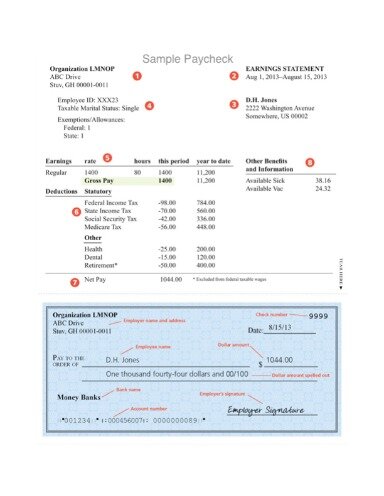
Outstanding checks, on the other hand, are checks that have been issued by your company to creditors but the payments have not yet cleared your bank account. This bank statement is an example of the transactions that occurred during the month. In the Deposit and credits section, you see the deposits made into the account and a CM which is a collection of a note and interest the bank has paid to your account.
It helps you to reconcile the account balances shown in the Cash Book and Passbook. One can opt for the free online bank reconciliation software to prepare the statement. If you use accounting software, you’ll be able to complete this step quickly since it’s unlikely your software made a mistake, yet it can happen. Compare your adjusted bank balance to your adjusted book balance.
After adjusting all the above items what you get is the adjusted balance of the cash book. Issued but not yet presented for payment and the amounts directly deposited in the bank account. Specify the balance as shown by the cash book as the first item in the statement. Your bank reconciliation form can be as simple or as detailed as you like.
Information provided on Forbes Advisor is for educational purposes only. Your financial situation is unique and the products and services we review may not be right for your circumstances. We do not offer financial advice, advisory or brokerage services, nor do we recommend or advise individuals or to buy or sell particular stocks or securities. Performance information may have changed since the time of publication.
An accountant typically processes reconciliation statements once per month. Once the adjusted balance of the cash book is worked out, then the bank reconciliation statement can be prepared. In this way, the number of items that cause the difference between the passbook and the cash book balance gets reduced. Furthermore, it gets easier to ascertain the correct amount of balance at the bank in the balance sheet.
By staying on top of your banking transactions, you can catch any issues early and work to solve them quickly. “Very nice. This has helped me in preparing the reconciliation of my bank statement. Thank you.” If the discrepancy isn’t a bank error, it may represent fraudulent activity. The checkbook is on the front desk when the secretary is at lunch. A check for the amount of $470 issued to the office supplier was misreported in the cash payments journal as $370. Following that, examine the business’ ending balance and deduct any bank fees or interest received.
Arm Ukraine or Prepare for China? Wrong Question. – Foreign Policy
Arm Ukraine or Prepare for China? Wrong Question..
Posted: Mon, 13 Mar 2023 07:00:00 GMT [source]
Reconciling is the process of comparing the cash activity in your accounting records to the transactions in your bank statement. This process helps you monitor all of the cash inflows and outflows in your bank account. The reconciliation process also helps you identify fraud and other unauthorized cash transactions. As a result, it is critical for you to reconcile your bank account within a few days of receiving your bank statement.

Sending the statement directly limits the number of employees who would have an opportunity to tamper with the statement. Reconciling bank statements helps to identify errors that affect tax reporting. Without reconciling, companies may pay too much or too little in taxes. To successfully complete your bank reconciliation, you’ll need your bank statements for the current and previous months as well as your company ledger. Many templates available online can help guide you, but a simple spreadsheet is just as effective.